Comparing Basement Waterproofing Systems for Maximum Protection

A dry basement is rarely the result of luck. It usually comes from understanding how water behaves around a structure, where that water wants to go, and which system is best suited to interrupt it. Homeowners often ask for the “best” basement waterproofing method, but that question skips the part that matters most. The right system depends on the age of the house, foundation type, soil conditions, whether the water problem is intermittent or constant, and what level of finish the basement has now or may have later.
I have seen basements that took on only a cup of water during spring thaw, and others where water tracked across the slab every time a hard storm hit. Those two problems do not deserve the same solution. One may be corrected with grading and gutter work outside. The other may need a full perimeter drain system with sump discharge and wall vapor management. Comparing basement waterproofing systems properly means looking at performance, lifespan, invasiveness, maintenance, and how each method behaves under real field conditions, not just in a sales brochure.
Start with the source of the water
Water in a basement usually arrives in one of three ways. It enters through the walls, rises through the floor, or sneaks in through joints and penetrations where the floor meets the wall, around utility openings, or through cracks. Sometimes the water is obvious, with standing puddles or active seepage. More often, it shows up indirectly through peeling paint, a musty smell, efflorescence, warped base trim, or rust on appliances.
Hydrostatic pressure is often the hidden driver. When the soil around a foundation becomes saturated, water pushes against the wall and under the slab. That pressure can force moisture through porous concrete and exploit even hairline cracks. Older foundations, especially block walls, tend to show this more dramatically because block cores can collect water and move it laterally before it ever becomes visible inside.
This is why surface symptoms can be misleading. A damp corner does not automatically mean one https://andresqyak050.yousher.com/how-much-does-basement-waterproofing-cost-a-homeowner-s-guide failed crack. It may reflect a drainage problem outside, a high water table, a short downspout, or a missing footing drain. Good basement waterproofing starts with diagnosis. Without that, even a well-installed system can disappoint because it is solving the wrong problem.
Exterior waterproofing, the most complete barrier when conditions allow
Exterior waterproofing is often described as the gold standard, and in many cases that is fair. It addresses water before it enters the wall assembly. The typical approach involves excavating down to the footing, cleaning the foundation wall, repairing cracks or damaged mortar, applying a waterproof membrane, and installing a drainage board and footing drain. When done well, it reduces hydrostatic pressure and creates a true exterior barrier.
Its biggest strength is obvious. It stops water on the outside rather than managing it after it enters or reaches the interior side of the wall. That is especially valuable when walls will be finished, insulated, or used as living space. It also helps preserve the wall itself. Repeated wetting and drying cycles can accelerate deterioration in masonry, and exterior systems reduce that stress.
Still, “best” does not mean “best for every house.” Exterior excavation is disruptive and expensive. Landscaping, patios, porches, steps, walkways, and tight lot lines can complicate the work fast. On some homes, a full excavation is straightforward because access is open and grade is favorable. On others, it becomes a major project that involves removing decks, cutting concrete, or working in narrow side yards where machinery cannot fit. That difference can swing the cost sharply.
There is also the matter of execution. Exterior membranes vary. Some are liquid-applied, some sheet-applied, and some are damp-proofing products that are far less robust than true waterproofing. Homeowners often assume any black coating on the wall is enough. It is not. Damp-proofing slows moisture diffusion. Waterproofing is designed to resist liquid water under pressure. That distinction matters.
When homeowners intend to stay in the house long term and the basement has chronic seepage through walls or cove joints, exterior waterproofing paired with proper footing drainage is often the most comprehensive choice. But it must be specified carefully and installed by a crew that understands more than excavation.
Interior drainage systems, practical and highly effective in many basements
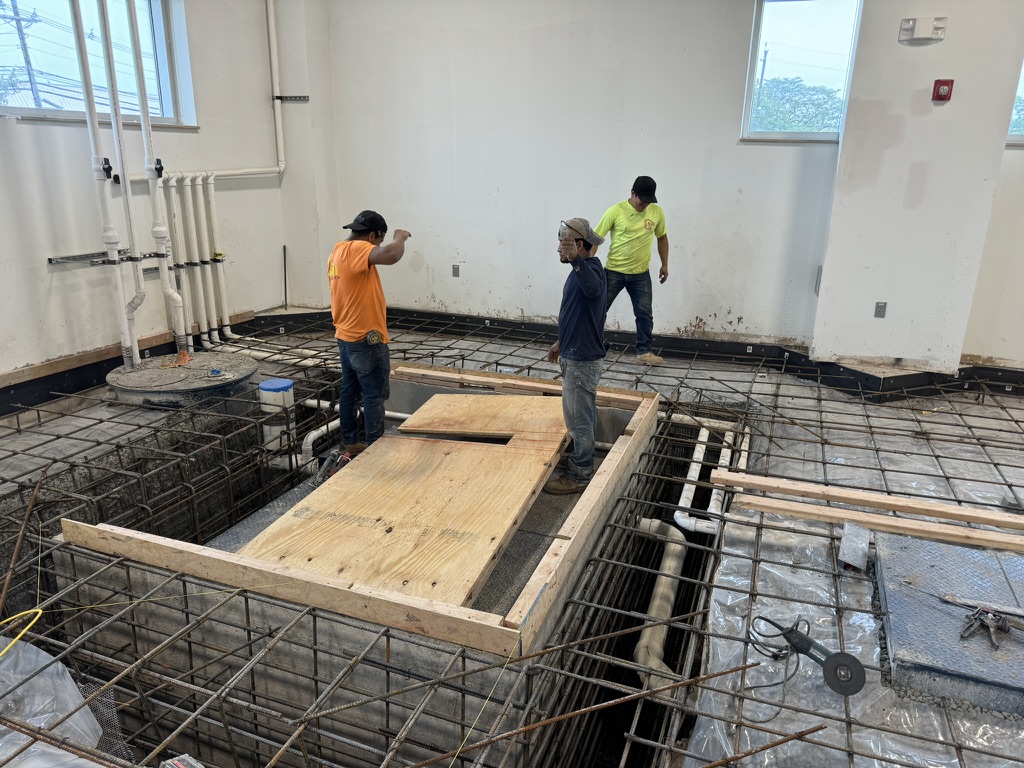
Interior drainage systems are common for a reason. They work well in a wide range of wet basement scenarios, especially where water enters at the cove joint or under the slab. In a typical installation, a narrow trench is opened along the inside perimeter of the basement. Drain tile or a drainage channel is placed beside the footing, the trench is re-concreted, and the collected water is directed to a sump basin where a pump discharges it outside.
Some homeowners hesitate when they hear that interior systems “allow” water to reach the inside face of the wall. That criticism is partly true but often misses the point. If the key problem is hydrostatic pressure beneath the slab or at the footing level, relieving and controlling that water at the interior perimeter can be very effective. It does not prevent the soil around the foundation from becoming wet, but it does prevent that water from building pressure and appearing on the basement floor.
In finished basements, interior systems are often the only realistic route unless the owner is prepared for extensive exterior disturbance. They are also useful in neighborhoods with dense housing, shared driveways, or hardscape features that make excavation impractical. A good interior system usually includes a wall flange or drainage mat to capture moisture running down the wall face and direct it into the perimeter drain.
The weak point is not usually the drain channel itself. It is the sump pump. Any interior drainage system is only as reliable as the pump, the discharge line, and the power supply supporting it. I have seen excellent perimeter systems fail during storms because the pump was undersized, the check valve failed, the discharge froze, or the house lost power during heavy rain. For homes with a history of significant groundwater intrusion, a battery backup or water-powered backup pump is not a luxury. It is part of the system.
Interior systems also do not solve every wall issue. If a block wall is bowing from lateral pressure, drainage may reduce some stress but it does not replace structural repair. If exterior grading sends roof runoff directly against the house, the interior system may manage the symptom while the outside still invites trouble. The best contractors say this plainly. Interior drainage is often an excellent control method, but it is not a substitute for basic exterior water management.
Crack injection, targeted repair for specific failure points
For poured concrete foundations, crack injection can be a smart and economical solution when the water problem is isolated. Polyurethane and epoxy injections are the two materials most commonly discussed. Polyurethane is flexible and expands to seal actively leaking cracks. Epoxy forms a rigid bond and is often selected where structural adhesion is part of the goal.
This method shines when there is a distinct crack and the rest of the basement is dry. I have seen homes where one vertical crack near a window well caused every visible leak. In those cases, a full perimeter system would have been excessive. A properly prepared and injected crack, combined with correcting the exterior water source, delivered a durable fix at a fraction of the cost.
But crack injection gets oversold too. If a basement has multiple seepage points, an active cove leak, or water coming up through the floor, sealing one or two cracks will not change much. The same goes for block foundations. Crack injection has its place, but it is not a universal basement waterproofing answer. It is a precision tool, not a blanket strategy.
Waterproof coatings and sealers, useful but often misunderstood
Many homeowners first encounter basement waterproofing through paint-on coatings sold as masonry sealers. These products appeal because they appear simple, affordable, and clean. In the right setting, they can help. On a basement wall with mild dampness, no active leakage, and no serious hydrostatic pressure, a quality breathable coating may reduce moisture transmission and improve the interior environment.
The trouble begins when coatings are expected to resist active water intrusion. Once pressure builds behind the wall, many coatings blister, peel, or fail. Concrete and masonry are not perfectly static surfaces, and even a good-looking interior coating cannot compensate for drainage deficiencies outside or under the slab.
I do not dismiss sealers entirely. They can be part of a broader strategy, especially in older utility basements where the goal is to reduce humidity and surface dusting. They are simply not what most people imagine when they hear “waterproofing.” If the basement already has visible water entry, paint is rarely the answer.
Drainage outside the house, the work that prevents larger problems
A surprising number of basement water issues improve dramatically once exterior drainage basics are corrected. Gutters, downspouts, grading, splash blocks, window wells, and discharge extensions are not glamorous, but they matter. A roof can dump thousands of gallons of water around a house during a season. If that water is deposited next to the foundation, the basement pays for it.
I once looked at a basement where the owners had been quoted an expensive interior system. Their floor seepage showed up only near one corner during storms. The cause was not mysterious. Two upper downspouts emptied at the same location, the grade had settled toward the house, and the soil stayed saturated there for days after rain. Extending the downspouts well away from the foundation and correcting the slope solved most of the problem. Not every case is that simple, but enough are that this step should never be skipped.
Exterior drainage corrections are also what separate a durable system from a merely functional one. Even if an interior drain or exterior membrane is installed, reducing the water load around the foundation improves performance and longevity.
How the major systems compare
The clearest way to compare basement waterproofing systems is to look at what each one is actually designed to do.
| System | Best use case | Strengths | Limitations | |---|---|---|---| | Exterior waterproofing with excavation | Chronic wall seepage, finished basements, major water exposure | Stops water before it enters, reduces hydrostatic pressure, protects foundation wall | High cost, disruptive, access can be difficult | | Interior perimeter drainage with sump | Water at cove joint, under slab seepage, limited exterior access | Effective, practical, less disruptive than excavation | Depends on pump reliability, does not keep exterior wall soil dry | | Crack injection | Isolated poured wall crack | Targeted, cost-effective, minimal disruption | Not suitable for widespread leakage or slab pressure issues | | Interior coatings or sealers | Mild dampness, non-active moisture, utility spaces | Low cost, improves appearance, may reduce vapor transmission | Often fails under active water pressure | | Exterior drainage improvements | Roof runoff and grading issues | Prevents water buildup, relatively affordable, essential support measure | May not solve deeper groundwater problems alone |
That table captures the basics, but field judgment still matters. For example, a house on clay soil with a high seasonal water table behaves differently than one on sandy soil. Clay holds water and swells, which can keep pressure against the wall long after a storm passes. Sandy soils drain faster but may still funnel water efficiently toward a footing if the grading is poor. The same waterproofing system will not perform identically in both environments.
Sump pumps deserve more respect than they usually get
When an interior system is recommended, the sump setup deserves close attention. This is one of the most overlooked parts of basement waterproofing because it does not sound as important as membranes or drain tile. In practice, the pump package often determines whether the basement stays dry during the worst weather.
Pump sizing should match expected water volume. A modest seepage problem may be handled by a standard submersible pump, but a home with strong groundwater flow may need a more robust model and a larger basin to reduce short-cycling. The discharge line should empty far enough away from the home that the water does not loop back toward the footing. In colder climates, the line also needs to be routed to reduce freezing risk.
Battery backup systems are worth serious consideration, especially in regions where heavy storms cause power outages. The combination of high groundwater and no electricity is exactly when primary pumps fail homeowners. I have spoken with more than one owner who installed a perimeter system but skipped the backup to save money, only to face several inches of water during a summer outage. That is a preventable loss.
Finished basements change the decision
A partly finished or fully finished basement raises the stakes. Once drywall, insulation, flooring, trim, and furniture enter the picture, even a small leak can become expensive. This is why water control should come before cosmetic remodeling, not after.
Exterior waterproofing has an advantage here because it reduces moisture exposure to the wall assembly itself. Still, many finished basements remain dry for years with well-designed interior drainage systems, particularly when the walls are detailed to handle incidental moisture. The key is not trapping dampness in vulnerable materials. Organic finishes placed directly against wet masonry are asking for trouble. Even the best basement waterproofing approach can be undermined by poor interior finishing choices.
Choosing the right system for maximum protection
Maximum protection usually comes from combining methods rather than betting on one product. A house with chronic seepage may need exterior grading corrections, downspout extensions, an interior perimeter drain, and a backup sump. Another house may need excavation and membrane waterproofing on one accessible wall, plus crack injection on another. Real solutions are often layered.
When evaluating proposals, pay attention to scope and assumptions. One contractor may bid only the interior drain while another includes discharge improvements and a backup pump. Those are not equal offers. Price comparisons mean very little unless the systems address the same conditions with similar detail.
The best decision process usually includes these questions:
- Where is the water entering, and how confident is the diagnosis?
- Is the problem occasional surface runoff, persistent groundwater, or both?
- Does the basement need to stay dry enough for finished living space, or is it a utility area?
- How practical is exterior excavation on this property?
- What maintenance and power backup will the owner realistically support?
Those questions force the discussion toward performance rather than marketing. They also reveal whether a contractor is solving a building problem or just selling a preferred package.
What homeowners often get wrong
The most common mistake is treating all moisture as the same. Condensation from humid air, capillary moisture through concrete, and active groundwater intrusion can all leave damp surfaces, but they require different responses. A dehumidifier can help with basement air quality. It will not relieve hydrostatic pressure. A wall coating can brighten old masonry. It will not redirect roof runoff.
Another mistake is choosing the least invasive option when the evidence points to a bigger issue. Spot patching a wall crack may feel economical, but if the basement shows repeated floor seepage at several points, the owner may simply be delaying the inevitable. On the other hand, jumping straight to full excavation when gutters dump water at the footing can be equally misguided. Good basement waterproofing is not about choosing the biggest system. It is about choosing the correct one.
The systems that tend to hold up best over time
If the goal is long-term maximum protection, exterior waterproofing with proper drainage is usually the strongest single approach where it is feasible and correctly installed. It addresses water before entry, lowers pressure on the wall, and supports future basement finishing. Where excavation is impractical or disproportionately costly, a quality interior drainage system with a dependable sump, backup power, and sound discharge design often delivers excellent real-world results. In many homes, that is the most sensible balance of protection, cost, and disruption.
Crack injections and coatings have real value, but they perform best as targeted tools rather than complete strategies. The homeowners happiest with their results are usually the ones who accepted a system that matched their actual conditions, not the ones who chased a universal fix.
Basement waterproofing works best when it is treated as part of the house’s drainage ecosystem. Roof water, soil saturation, footing conditions, foundation type, pump reliability, and interior finish details all play a role. Compare systems on that basis, and the right choice becomes much clearer. Ignore those connections, and even expensive work can leave you with a basement that still smells damp every spring.
ARD Waterproofing
98 Smull Ave, West Caldwell, NJ 07006, United States
+1 917-691-8411
FAQ About Basement Waterproofing
Can you 100% Waterproof a Basement in West Caldwell?
A properly designed system can substantially reduce basement water intrusion, but no method can promise protection against every flood, equipment failure, or future change in site conditions. The first step is identifying whether moisture comes from surface runoff, groundwater, plumbing, or condensation. Solutions may include grading and gutter improvements, drainage, foundation repairs, and a sump system. Review the specific coverage and exclusions of any written warranty.
How much does it cost to professionally waterproof a basement in NJ?
There is no single price that fits every basement. Cost depends on the cause of the leak, the area needing work, access, excavation requirements, drainage design, sump equipment, and restoration of disturbed finishes or landscaping. Request an on-site assessment and an itemized written estimate that explains the scope, exclusions, and maintenance requirements before comparing proposals.
How long does foundation waterproofing last in West Caldwell, NJ?
Service life varies with the waterproofing materials, installation quality, soil and water conditions, and maintenance. Drainage components and pumps may require servicing or replacement even when other parts of the system remain functional. Keep gutters, drainage outlets, and sump equipment maintained, and have recurring leaks or changes in foundation condition assessed. Ask for product-specific expectations and written warranty terms rather than relying on one lifespan for the entire system.